A single lifting anchor failure during precast element handling can result in catastrophic consequences dropped panels, structural damage, and serious injury or death. This reality makes lifting anchor manufacturing one of the most quality-critical processes in the steel fabrication industry. PCJ Steel Processing manufactures lifting anchors for precast concrete applications with uncompromising attention to dimensional
Built Around Your Needs
Built Around Your Needs
Hot Dip Galvanizing Process for Steel Fabrication: A Complete Technical Guide
Why do some galvanized steel products last 30 years while others show white rust within months? The answer almost always traces back to how the hot dip galvanizing process was executed. For steel fabrication buyers sourcing products for outdoor, marine, or industrial environments, understanding this process is not optional, it is essential to making informed
In demanding applications where components must fit together with minimal clearance, where load paths depend on exact alignment, and where field modifications are not an option, precision steel fabrication is the only acceptable manufacturing approach. PCJ Steel Processing delivers precision steel fabrication that achieves tight tolerances consistently, product after product, batch after batch. This article
A steel processing company occupies a critical position in the manufacturing supply chain, transforming raw materials into application-ready products through a combination of technical expertise, specialized equipment, and quality management. Understanding what a professional steel processing company offers helps procurement teams make informed sourcing decisions and extract maximum value from their manufacturing partnerships. PCJ Steel
Selecting the right steel fabrication company is one of the most consequential decisions in B2B procurement. The fabrication partner you choose directly influences product quality, project timeline, budget adherence, and the long-term performance of installed steel components. This guide provides a structured approach to evaluating and selecting a steel fabrication company, drawing on the standards
Built Around Your Needs
Structural Steel Fabrication | Standards-Compliant Manufacturing for Global Projects
Structural steel fabrication demands the highest levels of precision, material quality, and standards compliance because fabricated components directly support the structural integrity of buildings, bridges, and infrastructure. PCJ Steel Processing manufactures structural steel fabrication products that meet ASTM, AS/NZS, EN, and JIS standards for global construction markets. This article provides a comprehensive guide to structural
Not every project fits neatly into standard product catalogs. When architects specify unique connection details, when engineers design non-standard structural elements, or when industrial applications require purpose-built components, custom steel fabrication becomes essential. PCJ Steel Processing specializes in turning unique specifications into precisely manufactured steel products. This article explains what custom steel fabrication involves, when
Steel fabrication services transform raw steel materials into functional components and structures that serve construction, industrial, and civil applications worldwide. The quality of these services directly impacts project safety, performance, and cost-effectiveness. PCJ Steel Processing delivers comprehensive steel fabrication services that meet international standards and serve global markets from our Vietnam-based facility. This guide covers
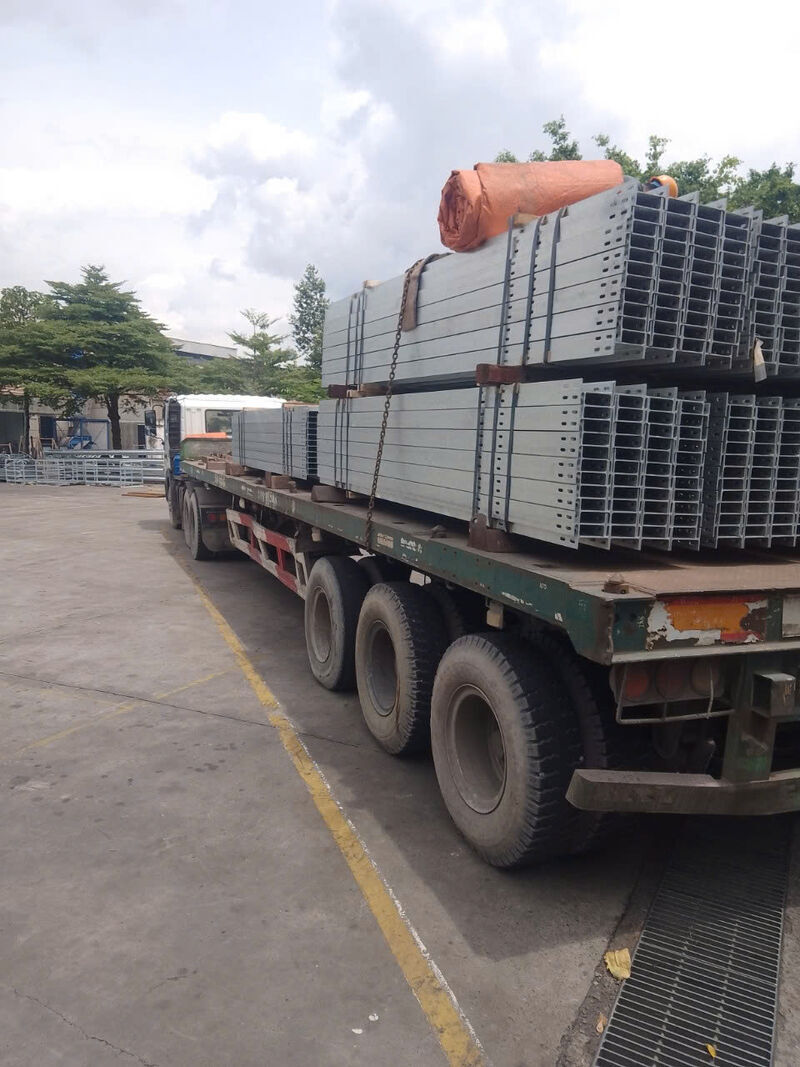
PCJ Steel provides comprehensive steel fabrication from Vietnam, delivering custom steel products, reliable quality standards, and export-ready manufacturing solutions for global markets. For international buyers searching for reliable steel fabrication and supply services in Vietnam, PCJ Steel (www.PCJsu.com) stands as a comprehensive solution provider. Operating as PCJ Steel Processing Co., Ltd., PCJ Steel combines fabrication
PCJ fabrication company provides engineered steel solutions for global construction and industrial projects. Integrity-driven manufacturing from Ho Chi Minh City. In steel fabrication, the difference between an average supplier and an exceptional partner comes down to engineering capability, process discipline, and integrity. PCJ fabrication company embodies these qualities in every product we manufacture and every